


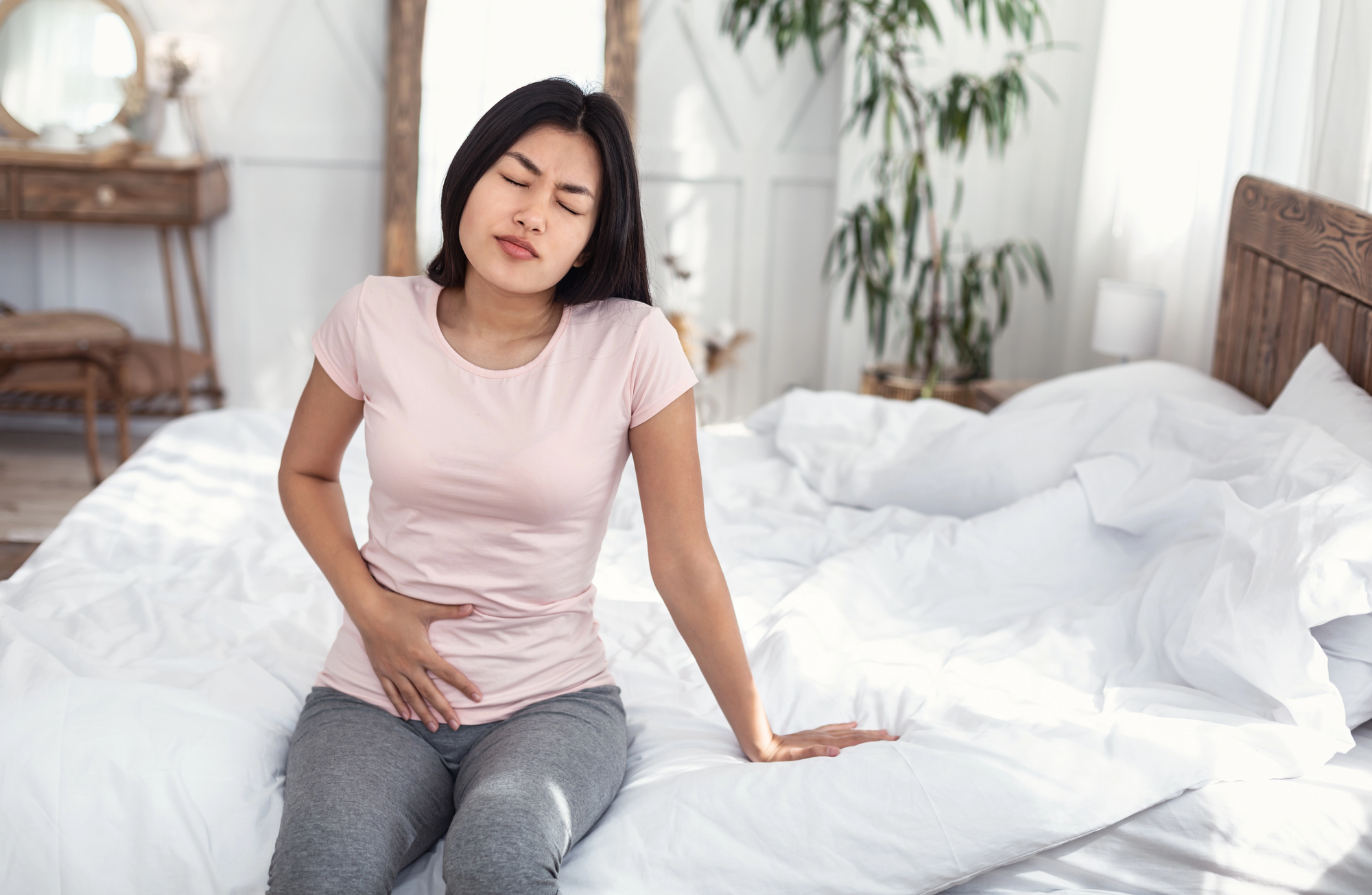
Pain during sex is something many carry quietly for years. It gets mentioned at the end of an appointment, or not at all, and the response that comes back is often to relax more or use more lubricant. That advice is not wrong, but it is rarely the whole picture. If you are looking into painful intercourse treatment in Toronto, you deserve a better starting point, because pelvic pain almost always has a pattern behind it. Where the pain sits, when it starts, and how long it lasts point toward very different causes, and those differences shape the care that follows.
Where the Pain Sits Is the First Clue
Before any treatment plan makes sense, the pain needs to be described accurately. Practitioners will ask you questions that can feel incredibly specific: does it hurt on initial contact, or only with depth or certain positions? Does it ease once you continue, or build? Does it settle afterward, or ache for hours? Those answers separate three broad patterns, and they rarely overlap neatly.
Pain at the Entrance
If you feel pain right at the opening, this tends to involve the pelvic floor muscles and the surrounding tissue rather than anything deeper. A pelvic floor that holds too much tension, sometimes called a hypertonic pelvic floor, does not release the way it should, and your body braces before contact rather than after it. Sensitivity of the vulvar vestibule, thinning and dryness related to falling estrogen during perimenopause and menopause, and scar tissue from a perineal tear or episiotomy all produce pain in this same location.There is often a loop
involved. Pain leads to anticipation, anticipation leads to guarding, guarding produces more pain. Breaking that loop usually requires attention to the nervous system as well as the tissue.
Deep Pain With Depth or Position
If you only experience pain with deeper contact, or in some positions and not others, this typically points somewhere else. Endometriosis is one of the more common contributors, particularly when the pain is worse in the days before a period. Uterine fibroids, ovarian cysts, adhesions from a C-section or prior abdominal surgery, and the position your uterus sits in can all create the same complaint. Bladder and bowel irritation frequently travel alongside it, which is why a full history covers your digestion and urinary symptoms too.This pattern is worth raising with your family doctor or a gynecologist, especially if it is new,worsening, or accompanied by heavy bleeding. Holistic care works well alongside that assessment, not instead of it.
Pain That Lingers Afterward
If you experience aching that continues for hours or into the next day, this usually reflects muscles that contracted hard and did not fully release. It is a muscular response more than a structural one, and it is the pattern most likely to improve when tension, stress load, and circulation to the pelvis are addressed together.
How Chinese Medicine Reads Pelvic Pain
Traditional Chinese medicine describes pelvic pain through movement and circulation. Sharp, fixed, cycle-linked pain is often assessed as Blood stasis. Pain that shifts with stress and comes with tight shoulders, irritability, or premenstrual tension is more often described as Liver Qi stagnation. Dryness and burning sensitivity, particularly in perimenopause, is commonly framed as Yin and Blood deficiency. These are working frameworks that guide point selection and herbal formulas rather than medical diagnoses, and they give practitioners a way to treat the whole person rather than the symptom alone.
What Care Can Involve at ALIVE
At ALIVE Holistic Health Clinic in downtown Toronto, care for pelvic pain and painful intercourse draws on several approaches. Acupuncture is commonly used to support circulation to your pelvis and to reduce the sympathetic nervous system activity that keeps your muscles guarded. Points are typically used on the lower abdomen, sacrum, lower back, legs, and feet. You may be prescribed Chinese Herbal Medicine to support the underlying pattern, particularly where your cycle symptoms are involved. Where past trauma, relationship strain, or anxiety is part of the picture, our therapy services include trauma-informed and couples counselling. Our osteopathic manual practitioner can help in restoring balance in the muscles that are involved (including tissues, ligaments and fascia) and may support an overall decrease in your pain.
Common Questions
Do I need a diagnosis before booking? No, but it helps. If you have already been assessed for endometriosis, fibroids, or infection, bring the reports. If you have not been assessed, our practitioners will encourage you to see your doctor alongside treatment here.
Are needles used in the pelvic area? No. Treatment uses points on the abdomen, lower back, sacrum, legs, and feet. Nothing internal is involved in acupuncture treatment at our clinic.
Where are the needles placed for pelvic floor acupuncture?
A: Needles are never placed in intimate or sensitive areas. Pelvic health acupuncture relies entirely on targeted external points, including your lower abdomen, lower back, legs, and feet that stimulate the nerves and muscles of the pelvic region. Your treatment is quiet, deeply relaxing, and performed with full privacy, clothes on and comfortable draping.
I am postpartum and this started after birth. Is that normal?
It is common, particularly after a tear, an episiotomy, or a C-section, and it is worth addressing rather than waiting out. Scar tissue, muscle tension, and hormonal changes during breastfeeding can each play a part.
Painful intercourse is not something you need to explain away or live around. If you are considering painful intercourse treatment in Toronto, our registered practitioners will take a full history and build a plan around what your symptoms actually indicate, in coordination with your medical team. Call ALIVE Holistic Health Clinic at (416) 591-1535 or book an initial consultation here.