


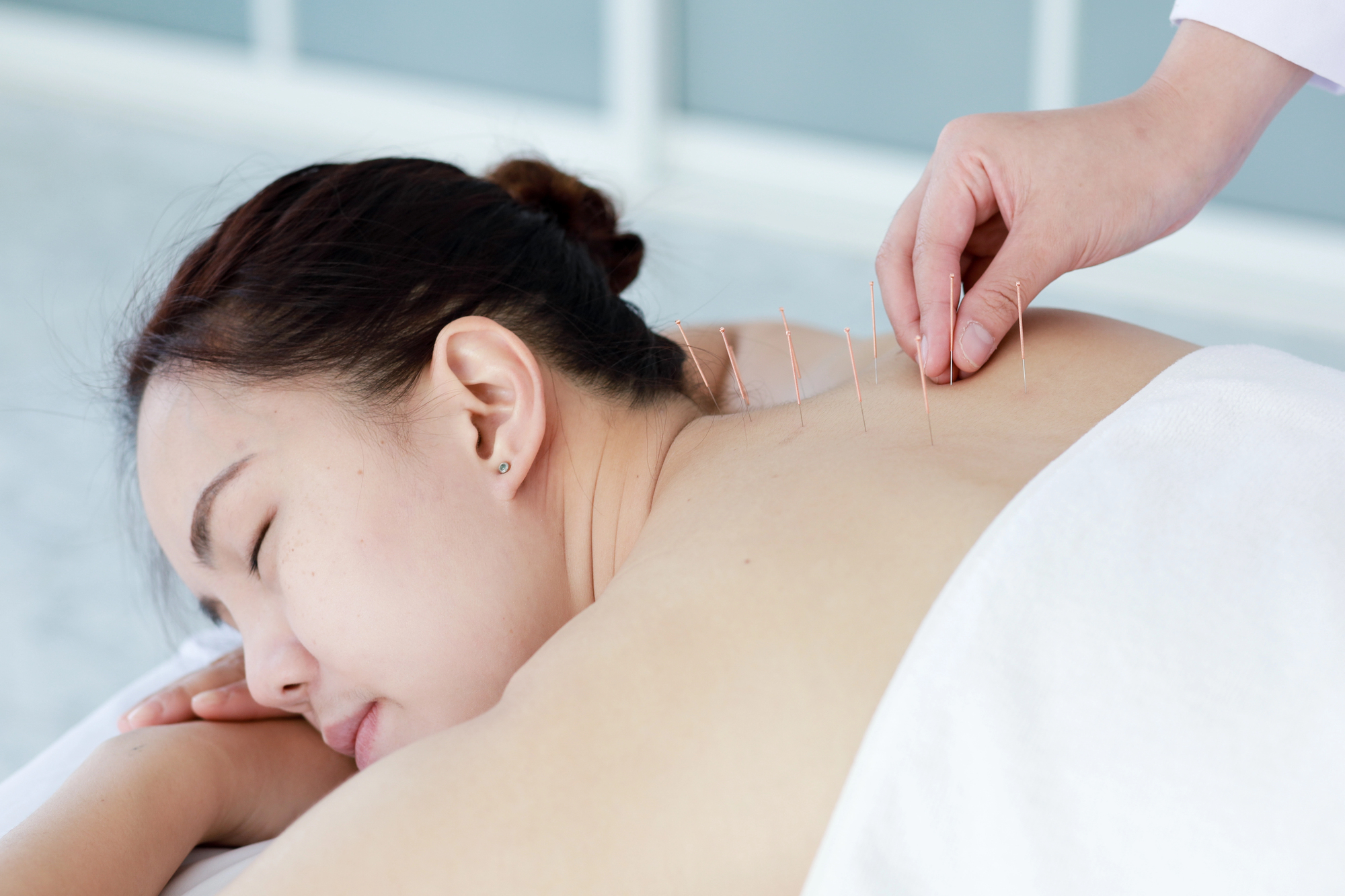
If you are curious about acupuncture but hesitant to book, you are not alone. Most first-time doubts are not about acupuncture itself, but about the myths surrounding it: fear of needles, concerns about safety, skepticism about effectiveness, and the idea that acupuncture is only for a narrow set of people or problems. This article clears up the most common acupuncture misconceptions so you can make a calm, informed decision.
Acupuncture has been used for centuries and is now widely offered as part of modern complementary care. The reality is simpler than the hype on both sides. Acupuncture is not magic, and it is not meaningless. It is a clinical tool that can be useful for certain concerns, especially when delivered by a trained practitioner with a realistic plan and clear expectations.
Why Acupuncture Myths Stick Around
Most misinformation about acupuncture comes from three places:
- Confusing acupuncture needles with injection needles
- Expecting instant, one-session results
- Hearing secondhand stories with no context
Social media does not help. It tends to exaggerate: either acupuncture is portrayed as a miracle cure for everything, or dismissed as placebo with no nuance. The truth is more grounded. The value of acupuncture depends on the condition, the person, the practitioner, and the consistency of care.
Myth 1: Acupuncture Needles Are Big and Painful
This is the number one reason people avoid acupuncture, and it is built on a false comparison. Acupuncture needles are extremely thin. They are not the hollow needles used for injections or blood draws. Most people report minimal discomfort, and many are surprised by how relaxing the session feels.
What you might feel instead:
- A brief pinch at insertion
- A warm, tingling, or dull heavy sensation at a point
- A feeling of relaxation as the treatment settles in
Monica* came in to ALIVE after trying acupuncture at several different clinics. She felt skeptical, anxious, and frustrated because she kept hearing that acupuncture might help, but after a series of not so great experiences, she was nearly ready to give up. She came to ALIVE to give it one last chance. “I left feeling calmer than I had in years. That level of calm was something I didn’t even realize was possible.” And for many, this is the first sign that your body is responding to treatment.
(*name changed to protect patient privacy)
Myth 2: Acupuncture Is Not Evidence-Based, So It Cannot Work
This myth survives because people talk about acupuncture as if it is one single thing. It is not. Evidence varies by condition, and anyone claiming acupuncture “works for everything” is overselling it. But it is also inaccurate to say there is no evidence at all.
A practical, honest way to frame it:
- Acupuncture has supportive research for some concerns, especially pain-related conditions and stress-linked symptoms.
- Results are not guaranteed, and it should be part of a broader care strategy when appropriate.
- The quality of the practitioner and the treatment plan matters.
If you are skeptical, keep the skepticism. Just aim it correctly: toward exaggerated claims, unqualified providers, and one-size-fits-all treatment promises.
Myth 3: If It Does Not Work Immediately, It Will Never Work
This all-or-nothing mindset makes people quit too early. Some people notice changes after the first session, like improved sleep, reduced tension, or feeling calmer. Others need a few visits before improvements become consistent.
Results depend on factors like:
- What you are treating and how long it has been present
- Stress levels, sleep quality, and recovery capacity
- Lifestyle factors like movement, nutrition, and workload
- How your body responds to treatment over time
A responsible acupuncturist does not promise instant transformation. They track changes, adjust the plan, and set realistic expectations.
Myth 4: Acupuncture Is Not Safe
Safety concerns deserve a clear answer. Acupuncture is generally considered low risk when performed by a qualified practitioner using sterile, single-use needles and clean clinical practices. The most common side effects are minor and short-lived, such as:
- Slight bruising
- A tiny drop of blood at a point
- Temporary soreness or heaviness
Serious complications are rare, and they are far more likely when acupuncture is performed by someone unqualified or when hygiene standards are poor. If safety is your concern, your decision should come down to provider credentials, cleanliness, and communication.
Myth 5: Acupuncture Is Only for Back Pain or Only for “Alternative” People
Yes, acupuncture is commonly used for back pain. But that is not the whole picture. People also seek acupuncture for stress and burnout, tension headaches, jaw clenching, sleep issues, menstrual cycle support, fertility support, and prenatal and postnatal wellness. It is not for a specific personality type. It is for people who want support and prefer a whole-person approach.
At ALIVE Holistic Health Clinic in downtown Toronto, acupuncture is approached through individualized care plans that can support goals like fertility and reproductive health, women’s health, stress relief, pain management, and pregnancy-related care. Patients tell us that what sets us apart is our “innate ability to understand the interconnection between mind, body and soul”.
What to Expect at Your First Acupuncture Appointment
Your first visit should feel like healthcare, not a sales pitch. A thorough intake is a good sign. Expect questions about your main concerns and your overall health picture, including:
- Sleep, stress, and energy
- Digestion and appetite
- Pain patterns or tension areas
- Menstrual cycle details, if relevant
- Medications, diagnoses, and health history
Your practitioner may also look at your tongue and feel your pulse. These are traditional Chinese medicine assessment tools used to guide treatment decisions.
What the Treatment Feels Like
You will lie comfortably while very fine needles are placed at specific points. Then you rest. Many people feel calm, grounded, or pleasantly tired afterward. Some even fall asleep during treatment.
For stress and tension-related concerns, that nervous system shift is often one of the earliest signs your body is responding.
How to Choose the Right Acupuncture Clinic in Toronto
If you want a good first experience, prioritize these basics:
- Licensed, trained practitioners
- Clean, professional environment
- Clear communication and informed consent
- A plan that matches your goals and timeline
- No miracle claims, no pressure tactics
The difference between a reassuring experience and an uncomfortable one usually comes down to practitioner skill, clinical standards, and how well you feel heard.
Ready to Try Acupuncture Without the Guesswork?
If acupuncture has been on your mind but myths have kept you stuck, stop outsourcing your decision to internet noise. Get real answers from a qualified professional.
Book a consultation at ALIVE Holistic Health Clinic in downtown Toronto and talk through your goals, concerns, and what a realistic acupuncture plan would look like for you. Ask questions, get clarity, and take the next step with confidence.